The Christmas Bird Count (CBC) is an annual bird census that brings together people across the Americas to count and record every bird they see. Conducted between December 14 and January 5, it’s recognized as the world’s longest-running wildlife survey and one of the most influential community science projects in history. In Las Cruces, the 2025 CBC will take place on Sunday, December 14, and the Caballo CBC, north of Las Cruces, will happen on Saturday, December 27.
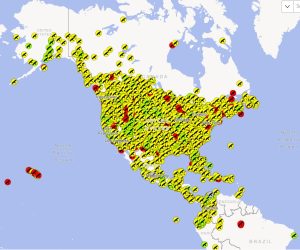
Each participating group counts birds within a designated 15-mile-wide circle, collecting data that scientists use to study population changes, migration patterns, and long-term environmental trends. Over time, these efforts have revealed vital information about how species respond to shifting habitats, drought, and a changing climate.
How Did the Christmas Bird Count Begin?
The story of the Christmas Bird Count goes back to the turn of the 20th century, when holiday “side hunts” were common. Groups of hunters would take to the field on Christmas Day, competing to see who could shoot the most birds and mammals.
In 1900, ornithologist Frank M. Chapman, an early member of the then-new Audubon Society, proposed a different kind of tradition. Rather than hunting, he invited people to count birds instead. That first Christmas, 27 volunteers participated in 25 locations, from Toronto to California, and counted around 18,500 birds representing nearly 90 species.
That small idea grew into a powerful global movement. More than 80,000 Audubon Society volunteers now take part each winter, counting tens of millions of birds from Alaska to Argentina. The data collected through their observations form one of the largest and longest-running biological datasets still occurring.
How Does the Christmas Bird Count Work?
Every CBC takes place within a specific circular area with a 15-mile diameter. Each circle is divided into sections, and teams of birders are assigned to cover different routes or habitats. The process blends careful observation with teamwork and field experience.
Participants can take part in two ways:
- Join a field team: Spend the day outdoors recording species along roadsides, trails, or wetlands.
- Count from home: Observe and record birds that visit your backyard feeder if you live within the count circle.
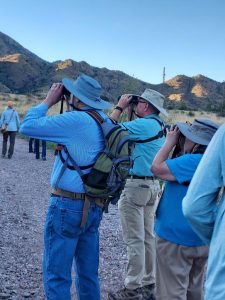
Volunteers begin early in the morning and often continue through midday, recording every bird they see. Even those new to birding are welcome. Beginners are paired with experienced participants who help with identification and note-taking, ensuring that every observation contributes to the quality of the collected data.
Why Is the Data Important?
For scientists, the Christmas Bird Count provides something unique: consistent, standardized data collected over more than 120 years. This long record helps reveal how bird populations and ecosystems are changing over time.
Researchers use CBC results to:
- Track increases and declines in bird populations.
- Measure the effects of habitat loss, drought, and land use changes.
- Study the impact of climate change on migration patterns and species ranges.
- Inform wildlife management and habitat restoration projects.
Examples of how this information has been used include:
- Audubon’s 2014 Climate Change Report, which found that 314 of 588 North American bird species could lose over half of their suitable range by 2080.
- The State of the Birds Reports by the U.S. Fish and Wildlife Service, which use CBC data to assess species health nationwide.
- The EPA’s climate indicators report, which includes Audubon’s bird population data as evidence of environmental change.
This information has shaped public understanding of conservation and helped guide efforts to protect declining species.
What Does the Christmas Bird Count Reveal About Southern New Mexico?
The Las Cruces area contributes essential data to this hemispheric project each year. Birders in Southern New Mexico monitor a variety of habitats, including desert scrub, farmland, riparian corridors, and wetlands along the Rio Grande. These areas serve as crucial wintering grounds for both resident and migratory species.
During the count, participants may record:
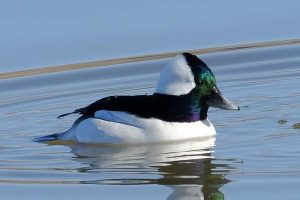
- Sandhill cranes, snow geese, and ducks near wetlands and agricultural fields.
- Hawks, kestrels, and harriers patrolling open grasslands.
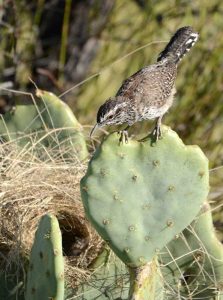
- White-crowned sparrows, pyrrhuloxias, and cactus wrens in desert areas.
- Quail, doves, meadowlarks, and blackbirds in rural farmland zones.
The region’s arid climate adds scientific value to the data. Year-to-year differences in rainfall can lead to noticeable changes in bird abundance. In wetter winters, waterfowl and herons may appear in higher numbers, while prolonged dry periods tend to favor species adapted to scrub and grassland habitats. Each variation helps scientists understand how birds respond to environmental stress and seasonal changes in the desert Southwest.
How to Participate in a Local Christmas Bird Count
Taking part in the CBC is simple and rewarding. Local counts are coordinated through Audubon chapters and partner organizations, and everyone is welcome to join.
To get involved:
- Visit the National Audubon Society Christmas Bird Count website to find your nearest count circle.
- Contact the local organizer to sign up.
- Choose your participation type: join a field team or record birds at your feeder.
- Note your birding experience level so coordinators can match you to a suitable team.
- If you’re in the Las Cruces area, email mesillavalleyaudubon@gmail.com and put LC 2025 CBC in the subject line. You’ll be directed to a team that needs participants.
- If you’d like to participate in the Caballo CBC north of Las Cruces, put Caballo 2025 CBC in the subject line.
What to bring:
 Binoculars and a field guide.
- Comfortable, layered clothing suited for winter weather.
- Water, snacks, and a notebook for observations.
- Optional camera or spotting scope for additional documentation.
Participants usually meet early in the morning, split into groups, and reconvene at midday to compare results. For many, the day ends with shared tallies and warm conversation over lunch or coffee. It’s a chance to celebrate a day spent outdoors, contributing to a century-old scientific tradition.
What the Data Has Taught Scientists
The Christmas Bird Count has revealed clear long-term trends in bird populations across North America. Some key findings include:
- Grassland birds such as meadowlarks and longspurs have declined significantly due to agricultural expansion and development.
- Waterfowl and shorebirds have rebounded in some regions where wetland conservation has improved habitat conditions.
- Forest birds have shifted their winter ranges northward as temperatures rise.
- Urban-tolerant species such as pigeons and starlings remain stable or have increased in many areas.
Each season’s count adds another layer of understanding to evolving patterns.
Why the Christmas Bird Count Endures
The CBC continues to thrive because it connects science with community. Participants come from all walks of life and are united by curiosity and a shared respect for wildlife. It’s not a competition but a collaboration that strengthens awareness of the natural world.
Every sighting, from a single sparrow to a flock of cranes, contributes to a broader understanding of biodiversity and environmental change. The value of that collective effort lies not just in the numbers but in the continuity of observation across decades.
Why the Christmas Bird Count Still Matters Today
The Christmas Bird Count began in 1900 as a conservation-minded alternative to hunting and has become a cornerstone of modern ornithology. Its longevity and scope make it an unmatched tool for studying how birds — and by extension, ecosystems — respond to environmental change.
In the Las Cruces area, the count highlights the importance of the Chihuahuan Desert and Rio Grande Valley as key winter habitats. It’s also a reminder that conservation begins with observation and participation. By joining the CBC, residents contribute to a scientific legacy that continues to inform policy, guide habitat restoration, and inspire new generations of naturalists.
FAQs About the Christmas Bird Count
When does the Christmas Bird Count take place?
Counts are conducted annually from December 14 through January 5. Each location selects one specific day within that period. For 2025, the Las Cruces area will conduct the CBC on December 14, and the Caballo CBC will be held on Saturday, December 27.
Who can participate?
Anyone can join, regardless of experience level. Beginners are paired with experienced observers.
Is there a cost?
No. The Christmas Bird Count is free and open to the public.
What happens to the data collected?
All observations are submitted to the National Audubon Society’s central database, where researchers use the information to study bird populations and environmental trends.
Can I participate from home?
Yes, if you live within a designated count circle. Feeder-watch data provides valuable insight into common backyard species.
Where can I find more information?
Visit the National Audubon Christmas Bird Count website for maps, resources, and contact details for local counts.
Posted by LasCruces.com