This guide highlights the best historic sites in Las Cruces to visit today, from museums and walkable historic districts to outdoor landmarks and the nearby town of Mesilla. These places reflect Indigenous history, Spanish trade routes, railroad development, and Civil War-era events tied directly to the area. For families interested in historic neighborhoods and long-term roots, Enchanted Sun Realty works daily with buyers who value Las Cruces’ history and community connections.
Where can I find the oldest history of Las Cruces?
The earliest history of Las Cruces includes Indigenous cultures, early Spanish travel routes, and agricultural life in the Mesilla Valley before U.S. settlement. Native peoples lived in the region for thousands of years, followed by Spanish caravans traveling north along established trade paths. These early movements shaped irrigation systems, settlement patterns, and place names that still define the area.
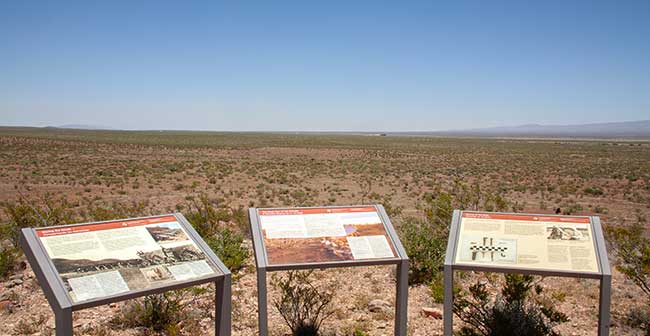
You can see this early Las Cruces history in places that preserve how people lived, traveled, and worked the land long before modern settlement. These sites help explain Indigenous life, early agriculture, and the routes that connected the region to the rest of the Southwest.
- Tortugas Pueblo, home of the Piro-Manso-Tiwa people and listed on the National Register of Historic Places, where visitors can attend public feast days and annual cultural events.
- The New Mexico Farm & Ranch Heritage Museum, which documents Indigenous farming, ranching, and irrigation practices that shaped the Mesilla Valley.
- Yost Draw, a well-preserved section of El Camino Real with interpretive signage and a walkable trail segment.
- Nearby White Sands National Park, where ancient human footprints changed what researchers understand about early habitation in southern New Mexico.
Where can I walk the El Camino Real near Las Cruces?
El Camino Real de Tierra Adentro was a 2,000-mile trade route connecting Mexico City to northern New Mexico, and it passed directly through the Las Cruces area. Modern visitors can walk or hike along preserved segments, follow marked trail corridors, and view the landscapes that shaped travel along the Jornada del Muerto.
Several sites in southern New Mexico preserve and interpret portions of El Camino Real for modern visitors:
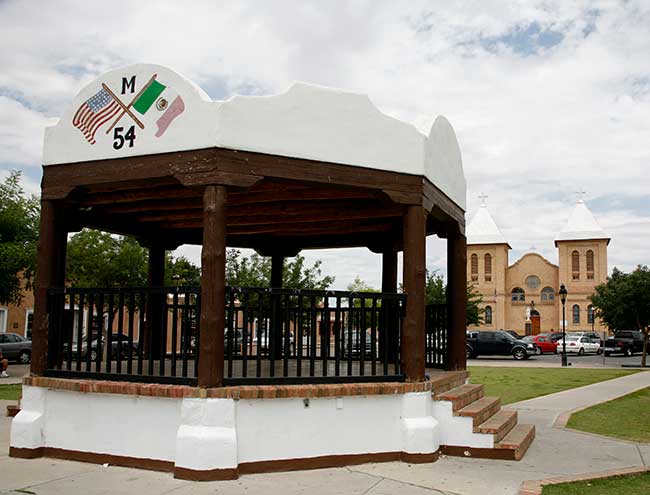
- Mesquite Historic District: Walkable streets follow portions of the historic corridor
- Village of Doña Ana: Sections of the route pass along Cristo Rey Street
- Fort Selden State Monument: A military post built to protect travelers along the trail
- Community of Vado: Tied to early agriculture and trade routes
- Point of Rocks: An overlook showing where the trail once crossed open desert
What are the best historic sites in Mesilla?
If you love history, Mesilla offers the most concentrated group of preserved landmarks near Las Cruces.
Mesilla developed as a border, trade, and territorial center and played important roles in westward travel, politics, and regional conflict, with several key historic sites preserved today:
- Mesilla Plaza: A National Historic Landmark surrounded by preserved 19th-century buildings and acequias
- Basilica de San Albino: Built in 1906 on the site of the original parish church
- Taylor-Barela-Reynolds-Mesilla State Monument – A historic home museum tied to New Mexico political history
- La Posta de Mesilla: Operates within the former stagecoach transportation rooms
- Double Eagle Restaurant – Known for its historic interiors and local folklore
Where can I explore the Las Cruces railroad and downtown history?
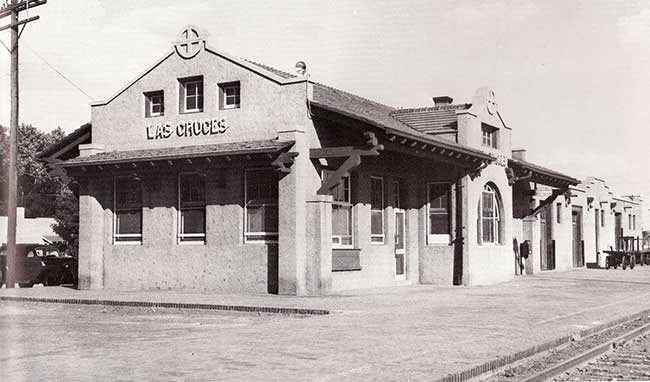
Start with the railroad museum and the surrounding neighborhoods to understand how Las Cruces grew into a regional center. The railroad shifted economic power from Mesilla to Las Cruces and shaped downtown development, housing styles, and commerce.
Several historic railroad and downtown sites reflect Las Cruces’ development during the railroad era:
- Las Cruces Railroad Museum: Located in the former Santa Fe Railway depot
- Alameda Historic District: An early residential area tied to railroad expansion
- Pioneer Park: A central green space surrounded by historic homes
- Mesquite Historic District: Known for adobe homes reflecting Hispanic settlement patterns
Which outdoor spots tell Las Cruces’ history?
Several popular outdoor areas near Las Cruces preserve visible evidence of travel, health resorts, and frontier life, combining short hikes with historic ruins and interpretive signage:
- Dripping Springs Natural Area: Visitors see ruins of a resort, stage stop, and tuberculosis sanitarium
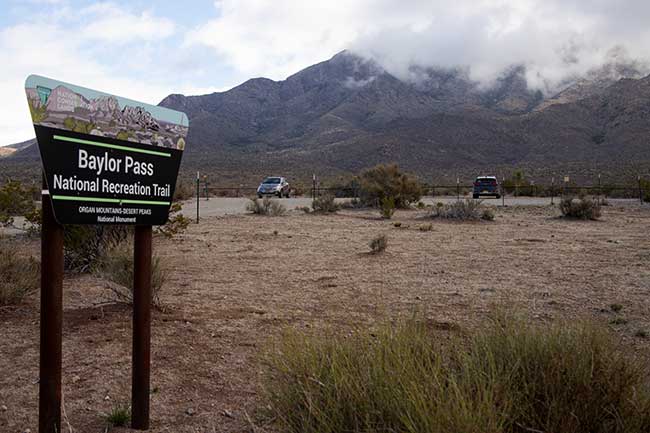
- Baylor Pass National Recreation Trail: A route used during Civil War troop movements
- La Cueva: A rock shelter used by Indigenous people and later settlers
List of 30 historic places in Las Cruces
- Mesilla Plaza: Territorial center tied to trade and politics; walk through the plaza and surrounding buildings.
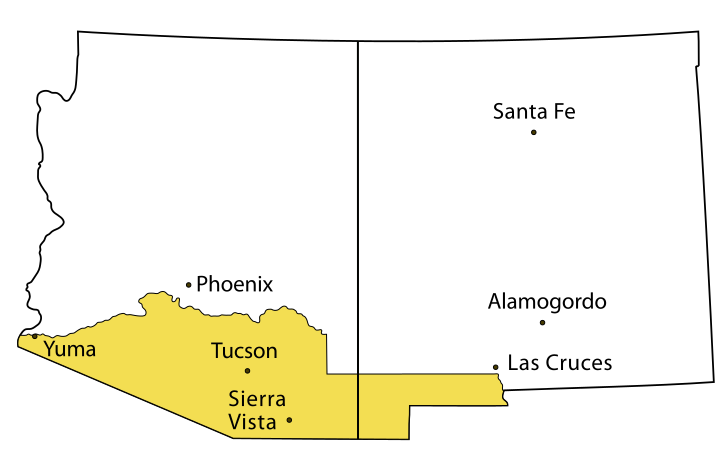
This map shows the lands purchased from Mexico in the Gadsden Purchase. Wikipedia image. - Basilica de San Albino: Long-standing religious site; visit the interior and grounds.
- Taylor-Barela-Reynolds-Mesilla State Monument: Preserved historic residence; tour furnished rooms.
- La Posta de Mesilla: Stagecoach-era rooms; dine and read historic placards.
- Double Eagle Restaurant: Historic dining space; explore interior artwork.
- Las Cruces Railroad Museum: Former depot; view rail exhibits.
- Alameda Historic District: Early railroad neighborhood; walk residential streets.
- Mesquite Historic District: Adobe homes tied to Hispanic settlement, self-guided walk.
- New Mexico Farm & Ranch Heritage Museum: Agricultural history museum; indoor and outdoor exhibits.
- Branigan Cultural Center: City history museum; rotating exhibits.
- Fort Selden State Monument: Military fort ruins; interpretive trails.
- Doña Ana: Early settlement, historic streets, and church.
- Vado: Agricultural community; local landmarks.
- Yost Draw: Preserved Camino Real segment; walkable trail.
- Point of Rocks: Historic trail overlook; interpretive signage.
- Dripping Springs Natural Area: Resort ruins and trails; short hikes.
- Baylor Pass National Recreation Trail: Civil War route, moderate hike.
- La Cueva: Historic shelter site; easy access walk.
- Tortugas Pueblo: Living Indigenous community; public events.
- Pioneer Park: Historic neighborhood center; walkable park.
- Organ Mountains–Desert Peaks National Monument: Protected landscape with historic routes, scenic drives, and hikes.
- San Agustin Pass: Civil War surrender site; views from nearby trails.
- Fountain Theatre site: Former Confederate Capitol location; exterior viewing.
- Robledo Mountains: Named for early Spanish settlers; scenic viewpoints.
- Doña Ana Mountains: Named for Doña Ana Robledo; hiking access.
- White Sands National Park: Nearby ancient footprint site; visitor trails.
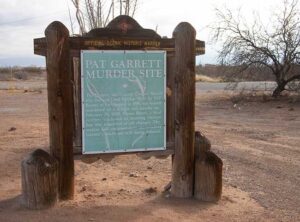
- Bataan Memorial East: Site of Pat Garrett’s death; historical marker.
- University Avenue Historic Area: Early development corridor; drive or walk.
- New Mexico State University campus: Historic buildings; self-guided exploration.
- Aguirre Spring Recreation Area: Access point tied to historic routes; picnic and trail access.
Explore 30 Historic Sites in and around Las Cruces
Spring and fall offer the best weather for walking historic Mesilla and downtown Las Cruces, while summer visits work best for museums and higher-elevation trails in the Organ Mountains.
Group Mesilla and downtown sites into one day, and plan outdoor historic hikes for a separate morning to keep travel efficient.
For buyers interested in historic neighborhoods or long-term roots, Enchanted Sun Realty brings local insight shaped by years of experience in Las Cruces communities.
FAQs about Las Cruces history and historic places
What are the must-see historic sites in Las Cruces?
The must-see historic sites in Las Cruces include Mesilla Plaza, the Las Cruces Railroad Museum, Fort Selden, and Dripping Springs Natural Area. Together, these sites represent Indigenous history, Spanish trade routes, railroad-era growth, and frontier life, making them a strong starting point for first-time visitors interested in Las Cruces history.
Mesilla Plaza is the most concentrated historic district near Las Cruces, featuring preserved 19th-century buildings, a historic church, and museums around a walkable central square. The Las Cruces Railroad Museum explains how the arrival of the railroad shifted regional growth from Mesilla to Las Cruces and shaped the modern city. Fort Selden State Monument explains how the military guarded travel routes and settlements along El Camino Real.
For outdoor-focused visitors, Dripping Springs Natural Area offers access to historic resort ruins, a former tuberculosis sanitarium, and early travel corridors in the Organ Mountains. Visiting these sites provides a broad overview of Las Cruces’ history without requiring long drives or specialized planning.
Where can I learn about Las Cruces’ history in a museum?
Las Cruces’ history can be explored in depth at the Branigan Cultural Center and the New Mexico Farm & Ranch Heritage Museum. These museums focus on local history, agriculture, settlement patterns, and daily life in the Mesilla Valley, making them well-suited for visitors seeking context rather than isolated artifacts.
The Branigan Cultural Center, operated by the City of Las Cruces, presents rotating exhibits on regional history, culture, and community development. Exhibits often focus on specific themes such as early settlement, local industries, or notable events, allowing repeat visitors to encounter new material. Its downtown location makes it easy to combine with nearby historic neighborhoods.
The New Mexico Farm & Ranch Heritage Museum covers a broader timeline, from Indigenous agricultural practices to modern ranching. Outdoor exhibits, historic buildings, and interpretive displays explain how irrigation, livestock, and farming shaped southern New Mexico. Together, these museums provide a balanced view of Las Cruces’ history from both urban and rural perspectives.
What historic places can I visit in Mesilla?
Historic Mesilla centers on Mesilla Plaza and the preserved buildings surrounding it, including the Basilica de San Albino and the Taylor-Barela-Reynolds-Mesilla State Monument. This compact area allows visitors to explore territorial history, border changes, and 19th-century life within a walkable district closely tied to Las Cruces’s early history.
Mesilla developed as a Mexican settlement after the Mexican-American War, when nearby areas became part of the United States while Mesilla remained in Mexico. That changed with the 1854 Gadsden Purchase, which transferred Mesilla and much of southern New Mexico to U.S. control. The plaza served as a political, commercial, and transportation hub, hosting stagecoach lines, public gatherings, court proceedings, and Civil War-era activity.
Today, many buildings around Mesilla Plaza retain their original footprints and architectural features. Visitors can enter the Basilica de San Albino, explore the Taylor-Barela-Reynolds-Mesilla State Monument, and walk acequia-fed streets listed on the National Register of Historic Places. Several restaurants and shops operate in historic structures, with signage that explains their original functions. Walking the plaza offers a concentrated view of how border shifts, trade, and daily life have shaped Mesilla and the surrounding region.
Can I walk parts of El Camino Real near Las Cruces?
Yes, several locations near Las Cruces allow visitors to walk preserved segments or experience interpretive sites connected to El Camino Real de Tierra Adentro. These areas show how the historic trade route shaped settlement, travel, and survival in southern New Mexico long before modern highways existed.
One of the most intact places to experience the route is Yost Draw, located north of Las Cruces within the Jornada del Muerto. This section features a marked, walkable trail with interpretive signs that explain how travelers crossed long stretches of desert without reliable water. The Jornada del Muerto was considered one of the most dangerous portions of El Camino Real, and the landscape remains largely unchanged.
Nearby Point of Rocks offers additional historical context through signage and elevated viewpoints that show where the route once crossed open terrain, now intersected by later railroad lines. In the village of Doña Ana, sections of Cristo Rey Street follow the historic corridor, allowing visitors to walk along modern streets aligned with the original trail. Portions of the Mesquite Historic District in Las Cruces also trace the route, illustrating how early travel corridors influenced town development and infrastructure.
Are there historic hikes near Las Cruces?
Yes, several hikes near Las Cruces combine outdoor recreation with visible historical features, particularly in the Organ Mountains. These trails follow former travel routes and access sites tied to resort development, health tourism, and military movement, allowing visitors to experience Las Cruces’ history while hiking.
Dripping Springs Natural Area is one of the most accessible historic hiking areas near the city. Trails lead to the remains of a late-19th-century resort known as Van Patten’s Mountain Camp, a stagecoach stop, and the Boyd Sanitarium, a tuberculosis treatment facility that operated briefly in the early 1900s. Interpretive signs explain how people traveled to the area seeking health benefits from the dry climate and mountain setting.
Another option is the Baylor Pass National Recreation Trail, which crosses the Organ Mountains along a Civil War route. The trail connects Baylor Canyon to Aguirre Spring and offers views of desert valleys and strategically important mountain passes. Most historic hikes near Las Cruces are short to moderate and do not require technical skills, making them practical for visitors interested in both history and outdoor exploration.
Is there Civil War history near Las Cruces?
Yes, southern New Mexico played a documented role in the Civil War, with troop movements, territorial control, and military engagements centered around Las Cruces and nearby Mesilla. Although often overlooked, this region was strategically important due to its travel routes and access to western territories.
Mesilla briefly served as a Confederate-controlled town after Texas-mounted troops entered the area in 1861. Confederate Colonel John Baylor used the region as part of a broader campaign to control the New Mexico Territory and secure routes leading toward Colorado and California. Baylor Pass, located in the Organ Mountains, is named for this campaign and marks a route used by Confederate forces.
Fort Selden and Fort Fillmore were established to protect settlers and travel corridors during periods of conflict. San Agustin Pass marks the site where Union forces surrendered during an early campaign, an event that shaped Confederate control in the area for a short time. Visiting these sites helps place New Mexico within the broader Civil War narrative and explains why control of desert routes and settlements was strategically important.
How much time do I need to see the historic sites in Las Cruces?
You can see many of Las Cruces’ core historic sites in one full day, but a weekend allows for a more complete experience that includes outdoor locations and nearby Mesilla. The time required depends on how much walking, hiking, and museum time you prefer.
A one-day visit works well for Mesilla Plaza, downtown Las Cruces, and one museum, such as the Las Cruces Railroad Museum or Branigan Cultural Center. These sites are close together and require minimal driving, making them manageable within a single day.
In two days, visitors can separate indoor and outdoor activities. One day can focus on Mesilla and downtown neighborhoods, while the second day allows time for Fort Selden, Dripping Springs Natural Area, or a historic hike in the Organ Mountains. A slower pace makes it easier to read interpretive signage, explore museums fully, and understand how geography, travel routes, and settlement patterns shaped Las Cruces’ history over time.
Is Las Cruces a good destination for history lovers?
Yes. Las Cruces appeals to history lovers by bringing together Indigenous heritage, Spanish colonial trade routes, railroad-era development, and frontier conflict within a relatively compact and accessible area. Visitors can explore museums, historic districts, outdoor landmarks, and nearby Mesilla without long travel times.
One of the strengths of Las Cruces’ history is how clearly geography shapes the story. El Camino Real passed directly through the region, influencing settlement patterns that are still visible in neighborhoods like Mesquite and communities such as Doña Ana and Mesilla. Museums like the Branigan Cultural Center and the New Mexico Farm & Ranch Heritage Museum help explain how agriculture, irrigation, and daily life evolved alongside these routes.
Las Cruces also offers variety. Visitors can walk a historic plaza in Mesilla, tour a railroad depot-turned-museum, and hike trails that pass by resort ruins or Civil War-era routes in the Organ Mountains. Because many sites are close together and well interpreted, Las Cruces is especially well-suited for travelers seeking a history-focused trip that balances indoor learning with outdoor exploration.
STORY SPONSORED BY ENCHANTED SUN REALTY

VISIT WEBSITE
Photography by Cheryl Fallstead
Posted by LasCruces.com