Americans eat more than 4.5 billion tacos each year, but despite the many options, the dish still comes down to a simple structure: a tortilla, a filling, and a salsa. What changes is how those elements are combined.
Mexican tacos tend to be small, corn-based, and lightly topped. New Mexican tacos lean more heavily on red and green chile, larger tortillas, and breakfast-friendly fillings. In Southern New Mexico’s food traditions, these approaches overlap in ways that show up clearly on local menus, including at places like Tacos & Shell-ah’s, where classic street tacos and specialty builds share the same counter.
This guide explains the most common taco varieties, their development, and the practical differences that shape what ends up on a plate in Las Cruces.
What Makes a Taco a Taco?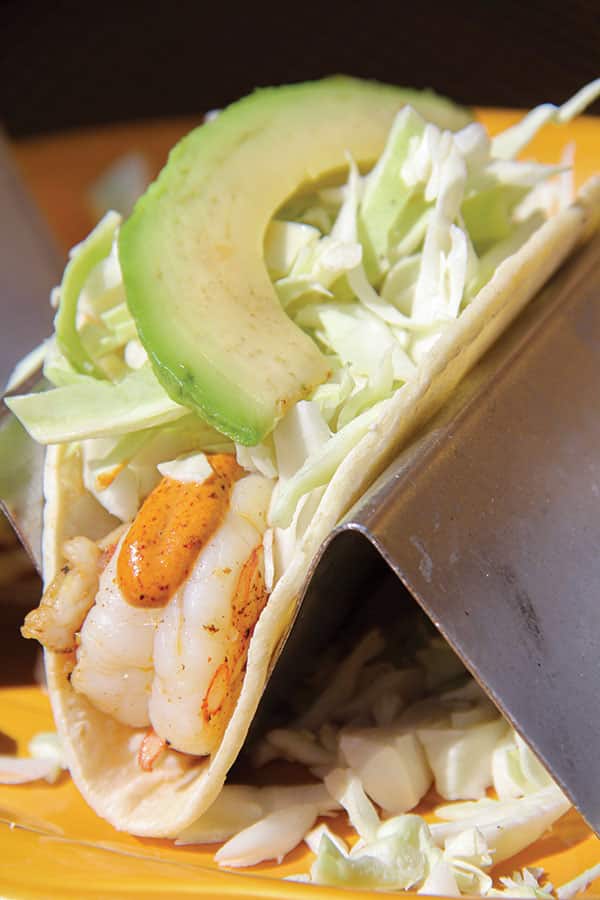
A taco is a tortilla folded or wrapped around a filling and finished with a salsa or topping. The tortilla provides structure, the filling adds substance, and the salsa balances heat, acidity, or richness.
Most types of tacos follow the same basic formula:
- A tortilla made from corn or flour
- A filling such as meat, seafood, eggs, beans, or vegetables
- A finishing element, usually salsa, chile, or a fresh garnish
This simple framework explains why tacos vary so widely while still feeling familiar.
How Did Tacos Develop Over Time?
Tacos developed through everyday cooking rather than formal cuisine. Long before modern borders or restaurants, people in what is now Mexico learned to grow corn and turn it into dough by soaking dried kernels in a natural mineral solution, a process that made corn easier to grind and more nutritious. That dough, known as masa, could be pressed into flexible tortillas that worked well as a base for simple meals.
Before Spanish colonization reshaped food systems and daily life, tortillas were commonly eaten with whatever foods were available locally, including fish, plants, and wild game. The arrival of Europeans brought major upheaval along with new ingredients, including wheat, which led to flour tortillas becoming more common in northern regions. Over time, introduced meats such as pork, beef, and chicken were folded into existing cooking traditions, while coastal areas continued to rely on seafood.
In the United States, tacos spread through Mexican labor communities in the early 1900s, particularly among railroad and agricultural workers. By the mid-twentieth century, hard shell tacos gained popularity, creating an American format that developed alongside traditional soft tacos.
What Types of Taco Shells Are Used?
Shell choice shapes how a taco eats and which fillings work best. Texture, size, and flexibility all influence how flavors come together.
- Soft corn tortillas are the foundation of most Mexican tacos. They are small, flexible, and allow fillings like carne asada, al pastor, and birria.
- Soft flour tortillas developed in northern Mexico and are common in New Mexican tacos, especially breakfast tacos. Their larger size and softer texture work well with eggs, potatoes, and heavier sauces.
- Hard shells and fried tacos use corn tortillas fried until crisp. These are most common in American-style tacos and pair best with drier fillings such as ground beef.
- Alternative bases such as fry bread, jicama, or lettuce function similarly when they hold fillings in a handheld form.
What Are the Most Popular Meat Taco Styles?
Meat tacos differ more by cooking method than by protein alone. The technique used often defines the final texture and flavor.
- Grilled tacos include carne asada tacos, made with grilled beef finished with onion, cilantro, and lime, and al pastor tacos, which use pork cooked on a vertical spit with chile and pineapple.
- Slow-cooked tacos include carnitas, barbacoa, and birria tacos. Birria has become especially popular in taco form, with tortillas dipped in broth and griddled before serving alongside consommé.
- Other common styles include pollo tacos made with grilled or shredded chicken, lengua tacos using braised beef tongue, and chorizo tacos often paired with eggs for breakfast.
What Are the Main Seafood Taco Varieties?
Seafood tacos emphasize contrast between warm tortillas and crisp, fresh toppings, often finished with citrus or creamy sauces.
- Shrimp used to fill tacos may be grilled, sautéed, or fried and are commonly finished with cabbage, lime, and a creamy sauce.
- Fish tacos, closely associated with Baja cooking, typically use battered and fried white fish, though grilled versions are also common.
- Gobernador tacos combine shrimp with melted cheese and sautéed peppers and onions, creating a richer seafood option.
What Vegetarian Taco Options Are Common?
Vegetarian tacos have long been part of authentic Mexican food and rely on seasoning and texture rather than meat substitutes.
- Nopales tacos use grilled or sautéed cactus pads with a tart, vegetal flavor.
- Rajas tacos feature roasted poblano peppers, sometimes mixed with corn or cream.
- Avocado tacos rely on fresh toppings and simple preparation.
- Bean-and-cheese tacos remain a staple across New Mexico, especially at breakfast.
What Are Rolled and Fried Tacos?
Rolled tacos change both shape and texture, creating a crisp exterior and compact form.
- Taquitos are small tortillas rolled around chicken or beef and fried until crisp.
- Flautas are longer, larger rolled tacos often topped with salsa or crema.
- Tacos dorados refers broadly to fried tacos, sometimes fried flat rather than pre-shaped.
What Regional and Specialty Tacos Should You Know?
Some tacos are closely tied to specific regions or cooking techniques rather than standardized recipes.
- Cochinita pibil features achiote-marinated pork from the Yucatán.
- Tacos de canasta are steamed tacos kept warm in baskets.
- Tacos al carbón use meat cooked over charcoal.
- Suadero tacos use thin-cut beef cooked slowly on a flat-top.
How Do Mexican Tacos and New Mexican Tacos Differ?
Mexican tacos tend to rely on corn tortillas, restrained toppings, and regional salsas.
New Mexican tacos integrate red or green chile more directly and often use flour tortillas.
Cheese choices, tortilla size, and breakfast traditions further distinguish the two. In Las Cruces, both styles appear side by side, reflecting the city’s position within Southern New Mexico food traditions.
What Toppings and Salsas Are Used on Tacos?
Classic toppings include onion, cilantro, lime, radishes, and cabbage for seafood tacos. Lettuce and shredded cheese appear more often in American and New Mexican styles.
Salsa choice matters. Salsa verde pairs well with pork and chicken, salsa roja with beef, and fresh pico de gallo with grilled meats. In New Mexican tacos, red or green chile often replaces salsa entirely.
Where Can You Find Tacos in Las Cruces?
Las Cruces tacos reflect a mix of Mexican tacos and New Mexican tacos, with food trucks, taquerias, and sit-down restaurants emphasizing different styles.
If you want to see that range come together in one place, Tacos & Shell-ah’s is the perfect place to start. The menu spans classic street-style tacos like carne asada, seafood options including shrimp and fish tacos, and a lineup of specialty tacos such as the Chori Piña, which combines chorizo, shrimp, melted cheese, and grilled pineapple. Ordering a few different tacos at once makes it easy to compare textures, fillings, and sauces side by side in a single visit.
FAQs About Types of Tacos
How do I know which type of taco to order?
If you’re unsure, start with what sounds good rather than what feels “correct.” Choose the tortilla or main ingredient you’re most drawn to, then build from there. Corn tortillas are standard for Mexican street tacos and pair well with carne asada, al pastor, and birria. Flour tortillas are more common for New Mexican tacos and breakfast tacos. If you prefer something lighter, fish or shrimp tacos are an easy entry point. Ordering a couple of different styles is often the simplest way to figure out which one you’re most drawn to.
Are Mexican tacos and New Mexican tacos very different?
They share the same basic structure but use ingredients differently. Mexican tacos usually rely on corn tortillas, simple toppings, and salsa. New Mexican tacos often use flour tortillas and integrate red or green chile directly into the dish. In Las Cruces, many menus include both styles, so you do not need to choose one tradition over the other. Trying one of each is often the best way to understand the difference.
Are tacos expensive, or can they be a good value meal?
Tacos are generally one of the most affordable ways to eat out, especially when ordering street-style tacos. Corn-tortilla tacos are smaller, so people usually order several, which keeps costs flexible. Flour-tortilla tacos and seafood tacos may cost more but are also more filling. If value matters, mixing one specialty taco with a couple of classic options like carne asada or bean-and-cheese often strikes a good balance.
What if I don’t like spicy food?
Not all tacos are spicy, and heat levels are usually adjustable. Many tacos rely on flavor rather than heat, especially carne asada, carnitas, chicken, and bean-based tacos. Salsa and chile are often added after cooking, which means you can ask for them on the side or skip them entirely. If you are sensitive to heat, start with grilled meats or seafood tacos and add salsa gradually to taste.
Where should I start if I want to try tacos in Las Cruces?
If you want variety without guessing, start at a place that serves multiple taco styles. In Las Cruces, Tacos & Shell-ah’s is a practical starting point because the menu includes street-style tacos, seafood tacos, and specialty builds such as jicama-based tacos. Trying a mix of corn-tortilla and flour-tortilla options in one visit makes it easier to figure out what you like before branching out to other taquerias.
Finding Your Go-To Taco in Las Cruces
Tacos have been popular for so long because they’re so adaptable . . . and delicious. The same basic structure supports centuries-old Mexican tacos, chile-forward New Mexican tacos, seafood tacos shaped by coastal cooking, and breakfast tacos meant for slow mornings. In Las Cruces, those traditions meet without much fuss, often on the same menu.
Once you understand tortillas, fillings, and sauces, ordering becomes less about rules and more about curiosity. You might come back to carne asada on corn tortillas every time, or you might keep rotating through birria, fish tacos, or breakfast builds with red or green chile.
If you want to try several styles side by side, restaurants like Tacos & Shell-ah’s make that easy, letting you sample classic street tacos, seafood options, and specialty builds in one stop.
The best taco, in the end, is the one you keep coming back to order!
Story sponsored by Tacos & Shell-ah’s

Visit the Website
Posted by LasCruces.com